sleep · night shift · home
Sleeping in Daylight Is a Contact Sport
Six years on nights, blackout curtains taped to the wall with electrical tape, and the daily war against the neighbor, the gas truck and the guilt.
I leave the hospital at 7:40, right when all of Querétaro is heading into its day. Kids in uniforms, men with their thermoses, the traffic on the boulevard honking as if someone were to blame. I'm going the opposite way from everything: my body wants breakfast and bed at the same time, and the sun hits me in the face like a complaint.
I've been on nights for six years and people still ask whether I've gotten used to it. The honest answer is no. You don't get used to it. You just build a system. Mine has some very specific parts.
The bunker
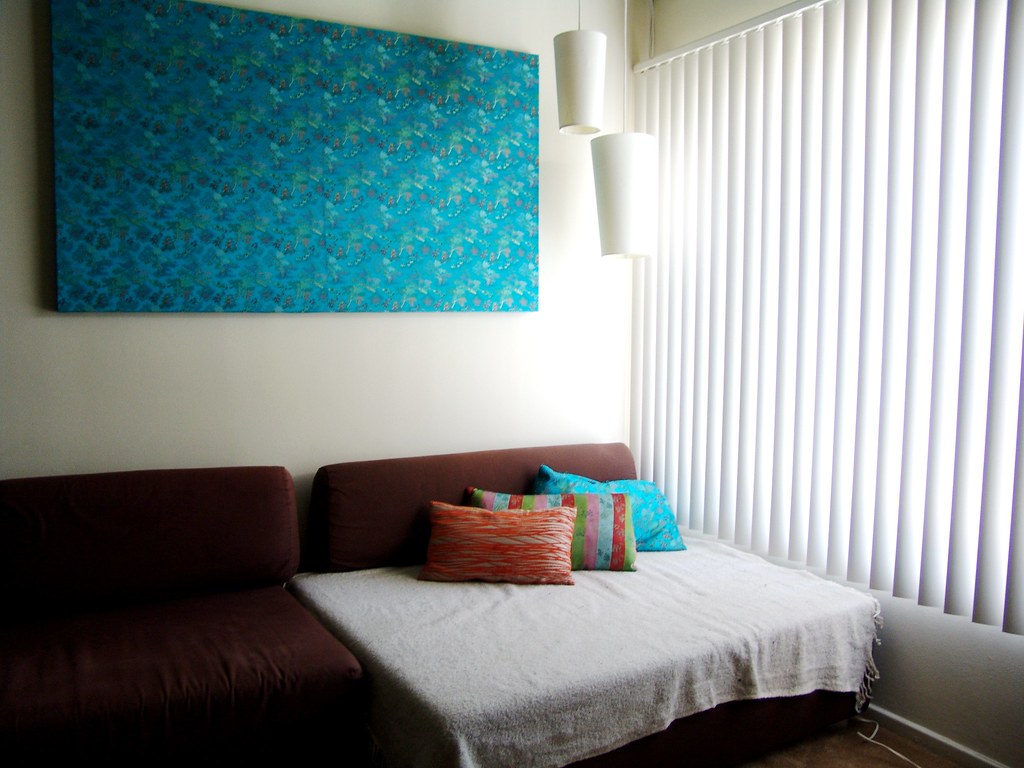
I bought the blackout curtains in my second year, after a week in which I averaged four hours of sleep a day and cried at the corner store because they were out of my flavor of electrolyte drink. They're an ugly gray, heavy, and I've taped the edges to the wall with electrical tape because the light kept sneaking in from the sides like it was in a hurry. My mom came to visit once, walked into my room at noon and said, "Ay, honey, this looks like a kidnapping room." She's not wrong. But it's my kidnapping room, and I sleep in it.
The earplugs are orange foam and I buy them in boxes of fifty. I have earplugs in my purse, in the car, in the nightstand drawer and, for reasons I can't recall, a single lonely one in my glasses case. Without them I hear everything: the neighbor who washes his car on Tuesdays to reggaeton, the gas truck with its little jingle, the garbage truck, the dogs on the block who seem to bark in shifts, just like us in the ER.
What nobody tells you
Falling asleep isn't the hard part. After a rough night I could fall asleep sitting in the shower. The hard part is everything that happens around you while you sleep, because the world has no idea you're in your night. The bank calls at eleven. The delivery guy rings the bell at one even though you wrote "leave at the door." Your aunt sends a six-minute voice note to the family chat about the wedding of a cousin you've never met.
My phone is on Do Not Disturb with three exceptions: my sisters, my mom and the hospital. My sisters respect it in their own way. Andrea, the oldest, sends me messages at two in the afternoon that begin with "don't wake up, but." Lucía, the youngest, doesn't even bother with that.
The other thing nobody tells you about is the guilt. Waking up at four in the afternoon, when the light outside already looks tired, and feeling like someone stole your day. Normal people have already had lunch, worked, crossed things off their lists, and you're just putting the kettle on. It took me years to understand that I'm not missing the day, I just have a different one. My head understands it. My stomach hasn't gotten the memo.
My rules, in case they help anyone
I don't look at my phone when I get home. I shower even if I'm dead on my feet, because the hospital smell stays in my hair and I don't want it on my pillow. I eat something small, usually toast with avocado and salt. No coffee after four in the morning, a rule I break often and always pay for. And I never count how many hours of sleep I have left, because that math never comes out pretty.
There are good days. Days when I'm out by nine and open my eyes at four without having heard a thing, the room dark and cool, the fan doing its steady hum, and I feel brand new. On those days I get up, open the curtain a crack, look at the orange sky over the rooftops and think that living backwards isn't so bad.
And there are days when the neighbor decides it's a good time to drill. I have a system for those too: pillow over my head, quiet swearing at the wall, and waiting. He almost always gets tired before I do. Almost.
Keep reading
Four in the Morning
There's an hour in the ER that never makes it onto TV. A woman in bed six, a husband who baked bread, and a vanilla concha in the parking lot.

Three Sisters, One Chat
I read my sisters' group chat backwards, like everything else. A free weekend, fried snacks in Bernal and a Maná song all three of us hate.
Kilometer Fourteen
I signed up for a half marathon with a cookie in my hand. Now I train in the afternoons, backwards from every training plan on the internet.