hospital · night
Four in the Morning
There's an hour in the ER that never makes it onto TV. A woman in bed six, a husband who baked bread, and a vanilla concha in the parking lot.
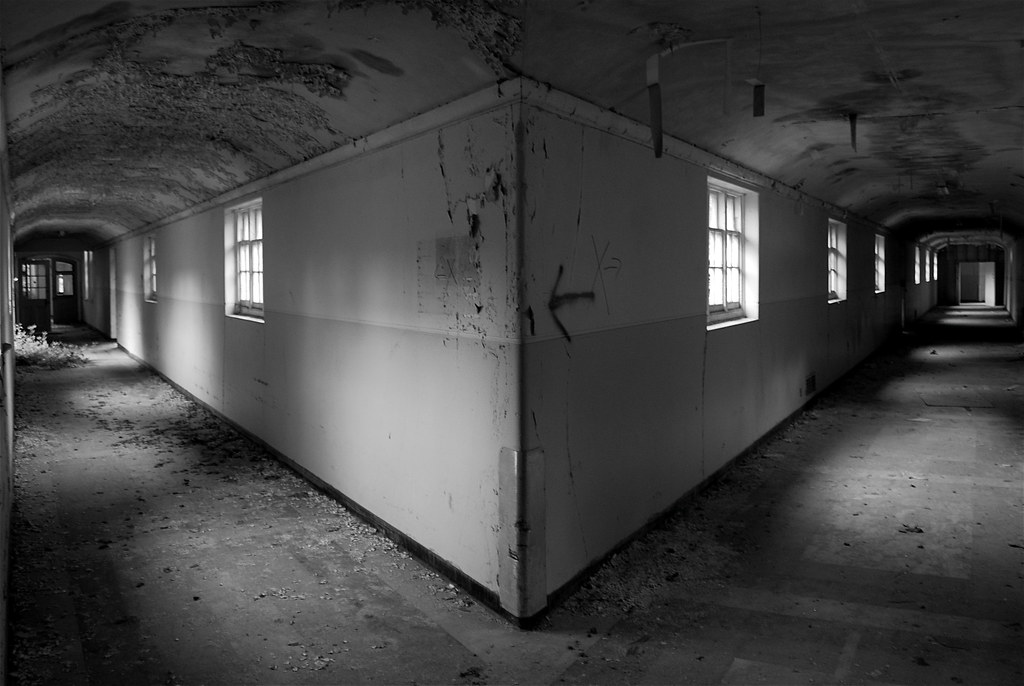
There's an hour in the ER that never shows up in any TV series. It isn't the chaos, the part everyone imagines, with doors bursting open and someone shouting numbers. It's what comes after, when whatever had to happen has happened and the hospital settles into a strange silence, like a house after a party. It almost always falls between four and five.
At that hour the hallway lights make a buzzing sound nobody hears during the day. The coffee machine on the second floor, the one that only takes ten-peso coins, lets out something like a sigh. Someone at the nurses' station fills out forms with her head propped on her hand. The security guard at the entrance watches dog videos with the volume low; I know because he once showed me one, a dachshund who couldn't figure out stairs, and the two of us laughed as if it were the funniest thing in the world, because at four in the morning it is.
The woman in bed six
Last week, at that hour, a woman called me over from bed six. She'd come in during the afternoon, before my shift, and was waiting to be moved upstairs. Nothing serious, or nothing serious by the standards of my job, which are very warped standards. When I got there she didn't need anything. Not water, not her pillow fixed. She asked me what time it was.
I told her ten past four. She said that was when her husband used to get up, back when he worked at a bakery, many years ago. She'd warm up his coffee and he'd leave on his bicycle and come back at eleven smelling of bread. He'd been dead for nine years, she said, and she still woke up at four every single day, no alarm.
I didn't know what to say. Sometimes in this job you know exactly what to say, and other times the only decent thing is to keep quiet and not leave. I sat on the little metal stool next to the bed, which is horribly uncomfortable and, I'm convinced, designed so nobody stays long. She told me about the bread, about the conchas he made, how the vanilla ones always came out better than the chocolate ones and that bothered him his whole life. I told her I was training for a half marathon. She asked me what for. I said I wasn't really sure. She found that a perfectly reasonable answer.
I stayed about ten minutes. Then a call bell went off at another bed and I had to go. When I came back half an hour later, she was asleep.
What stays
In the morning they took her upstairs and that's where I lost her, the way I lose almost everyone. That's one of the things about the ER that took me longest to accept: you're a way station. People arrive, you stabilize them, you send them somewhere else and you never find out how the story ends. It's like reading a book with the last pages torn out, every night, hundreds of times.
But sometimes something stays with you. Not the diagnosis, not the bed number. What stays is that a man who baked bread used to get up at four, and his wife still waits for him at that hour, out of habit or out of love, which after so long might be the same thing.
I left at seven thirty that day, like always. I stopped at a bakery on the avenue, the kind where you pick your own bread with a tray and tongs, and bought a vanilla concha. I ate it in the car, in the parking lot, with the windows fogged up. It was a little dry. I didn't mind.
Then I went home to my kidnapping room and slept seven hours straight, which for me is like winning the lottery.
Keep reading

Three Sisters, One Chat
I read my sisters' group chat backwards, like everything else. A free weekend, fried snacks in Bernal and a Maná song all three of us hate.
Kilometer Fourteen
I signed up for a half marathon with a cookie in my hand. Now I train in the afternoons, backwards from every training plan on the internet.

Sleeping in Daylight Is a Contact Sport
Six years on nights, blackout curtains taped to the wall with electrical tape, and the daily war against the neighbor, the gas truck and the guilt.