car · cold · mornings
The Car Said No
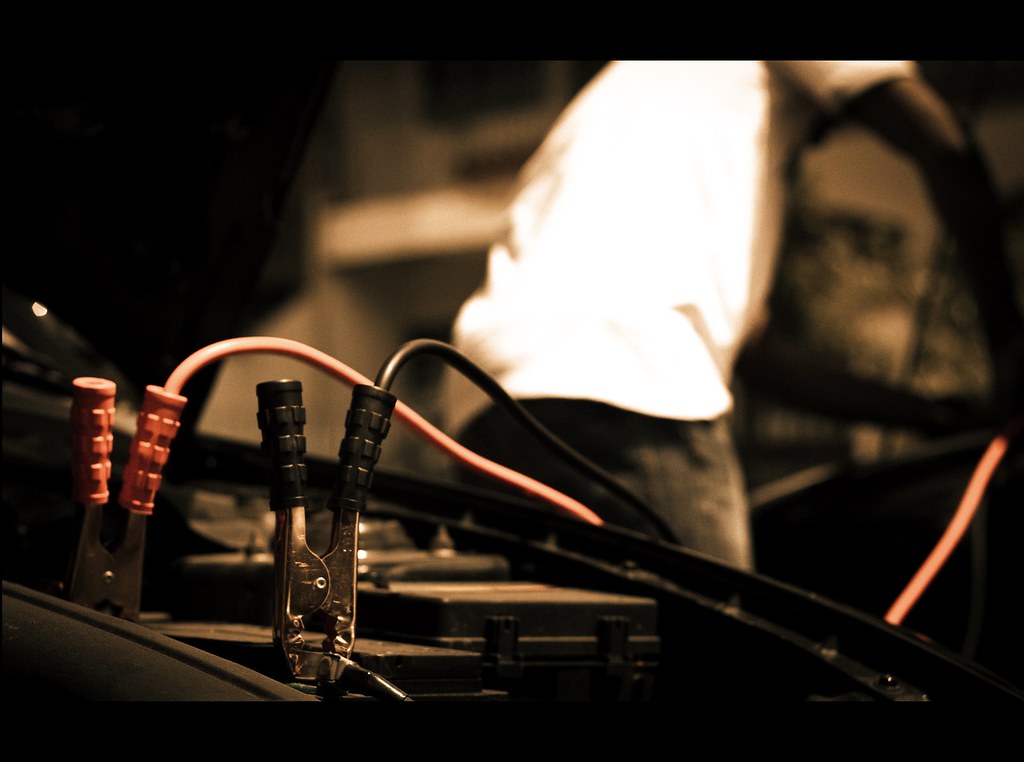
October's first cold snap arrived and my car woke up with a dead battery in the hospital parking lot. Borrowed cables, a shop on Zaragoza and a plastic chair.
I left the hospital at 7:42 this morning and the parking lot was white. Not with snow, this is Querétaro, but with that thin frost that sticks to windshields on the first cold morning of the year and vanishes the moment you touch it. All night at the nurses' station we heard the cold front was coming, number who-knows-what, and nobody paid attention, because inside the weather never changes: air conditioning and nerves.
I got into my car, a gray 2011 Chevy I bought from one of Andrea's husband's cousins, which is called "the Chevy" because we never gave it another name. I put the key in, turned it, and the car made a noise I'd never heard from it: a tiny tak tak tak, like someone trying to talk with their mouth full. Then nothing. The dashboard lights came on with very little enthusiasm and went out.
I tried four more times, which is what everyone does even when they know it won't work. On the fifth I rested my forehead on the steering wheel and stayed like that for a while, my breath fogging up, thinking about my bed.
Don Memo and the cables
Don Memo is the guard at the ER entrance, the one with the puppy videos. He's been at the hospital longer than I have, he has a mustache from another era and a green thermos he never lets go of. When he saw me walking back toward his booth, bag hanging off my shoulder and my knee still not right, he already knew. "Battery, Ortega?" I said yes. He said this kind of cold always kills two or three, that he'd already had one this morning, a Tsuru from the lab.
He didn't have cables. But he knew someone who did: Ramiro, one of the day-shift orderlies, who was just arriving with his backpack and a tamal in his hand. Ramiro keeps a full roadside emergency kit in the back of his pickup: cables, a jack, warning triangles, a flashlight, a blanket and a rosary. While he hooked up the clamps he explained that his dad was a trucker and that he was raised that way, "ready for the worst and with faith for the rest."
On the second try the Chevy started. Ramiro said "there you go" and left with his tamal. Don Memo raised his thermos from the booth like a toast.
The shop on Avenida Zaragoza
My phone picked the shop. The first one that came up open at eight in the morning: "Baterías y Eléctrico El Güero," on Zaragoza, between a tortilla shop and a school-uniform store. It has a metal shutter with a lightning bolt painted on it, a stack of tires on the sidewalk that works as a bench, and one red plastic chair, just one, which El Güero offered me the second he saw my face.
El Güero is not blond, whatever his nickname says. He's a thin, dark-skinned man in a Gallos cap with hands black up to the wrists. He opened the hood, put a little device with two probes on the battery and said, "Yep, that's it." He showed me the number. I didn't understand the number. I believed him anyway, which is what I wish patients would do with me.
He had to get one from another branch. Half an hour, he said. I sat in the red chair.
Half an hour on the sidewalk
This is what happens at eight thirty in the morning on Avenida Zaragoza on a cold Friday: the women at the tortilla shop bringing out the first kilos wrapped in brown paper. A little boy in a school sweater crying because he didn't want to go, and his mom pulling him along by the hand without stopping or arguing. The sun starting to hit the side of the street I wasn't on.
I had my scrubs on under my jacket and the hospital smell in my hair. I was hungry and sleepy at the same time, which is my natural state at that hour, and I was also cold, which isn't. I bought a quarter kilo of tortillas just to have something warm in my hands. I ate two, plain, rolled up, and they tasted like a real breakfast.
At some point I fell asleep. Sitting up, with the bag of tortillas on my lap and my head against the metal shutter, which shook every time a truck went by. I don't know how long. El Güero woke me up setting the new battery down on the ground, carefully, like a jug of water.
"Your patient's here," he said. I was wearing scrubs; it wasn't hard to guess.
The bill
It cost more than I'd planned to spend this month and less than I'd feared in that chair.
I wrote to the "Las Ortega" group to tell them. Andrea answered in a minute: "Did you change it or did someone change it for you?" I said someone did. "Oh, okay then." Lucía sent a forty-second voice note that I listened to all the way through, in the car, with the engine running, because I didn't dare turn it off even though El Güero swore it was fine now.
I got home at ten past ten, two and a half hours later than usual. I showered, put in my earplugs, closed the curtain and got into bed with my hands still smelling of tortillas and a little bit of metal.
At four thirty I woke up, went down to the parking lot in sweatpants and turned the key just to hear it. It started on the first try, with a low, steady sound, like someone clearing their throat. I turned it off. I turned it on again.
Keep reading
My grandfather's altar
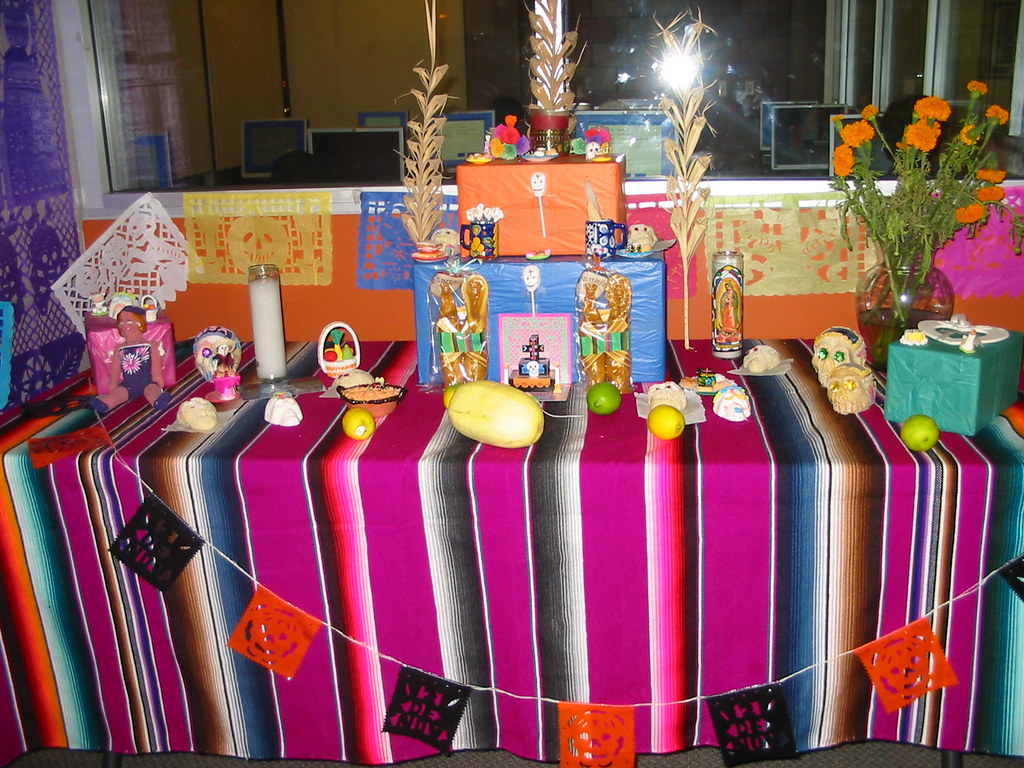
My mom set up the ofrenda in the living room on October 20th. A shot of mezcal, a crooked photo and an argument about whether Grandpa Tomás ate tamales.
Night Off
I had Monday night off and my body never got the memo. A spotless kitchen at 1 a.m., the three o'clock train, the rooftop and the first bread rolls.
Two weeks without running
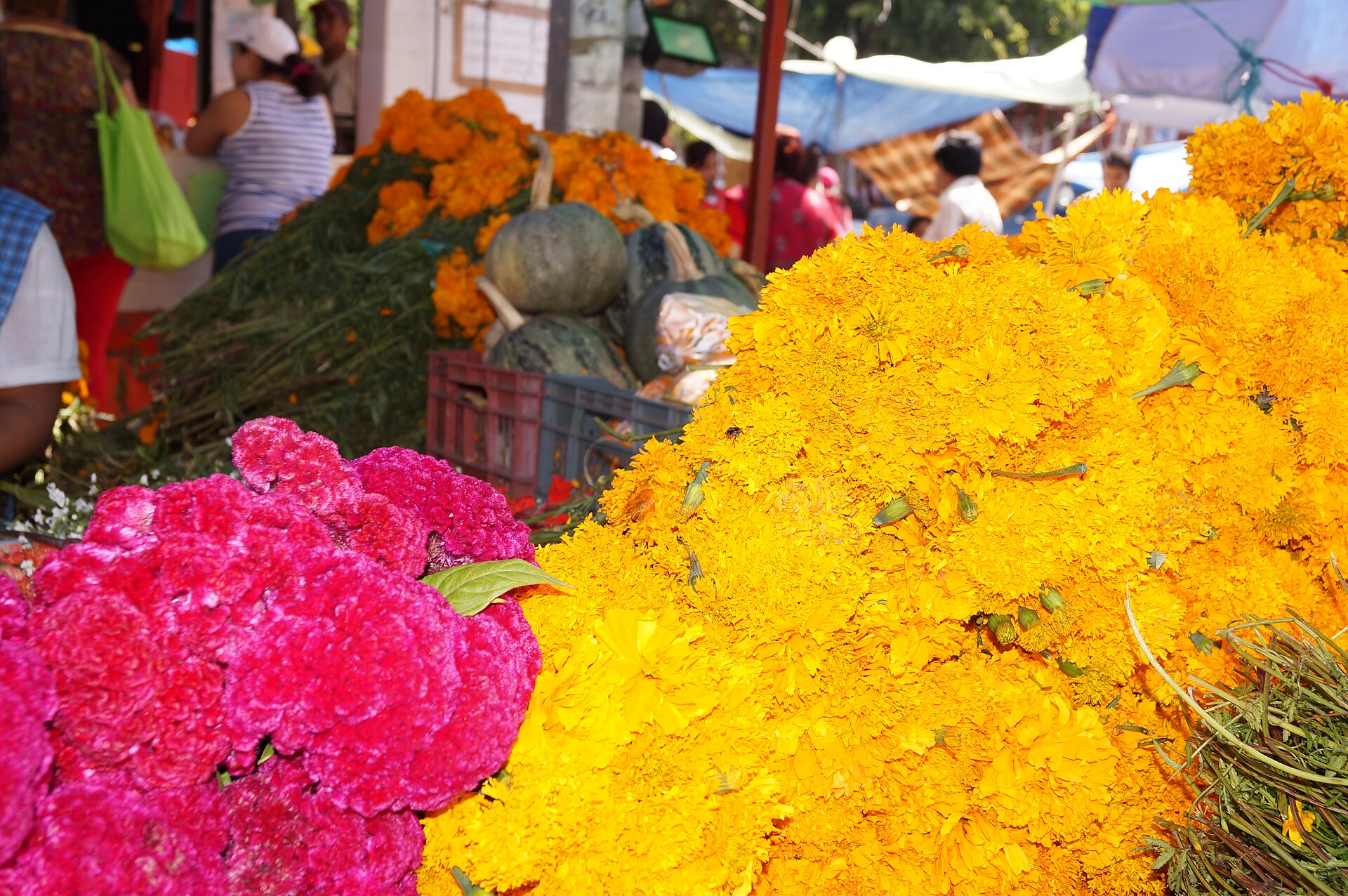
My knee benched me after the half marathon. Now I have three free hours every afternoon, a market full of marigolds and no plan at all.