neighbors · keys · building
Don Rogelio's Knee
I got home from the hospital on the holiday Monday and my keys were inside, on the kitchen table. No locksmith, no sisters: a neighbor, an old X-ray and a click.
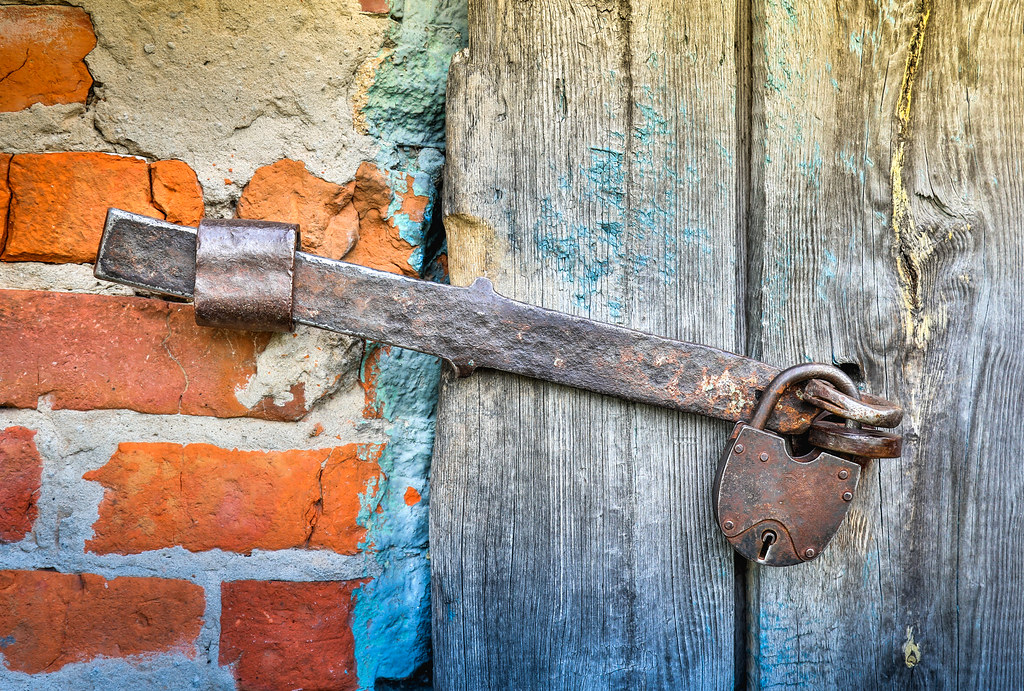
Yesterday was the long-weekend Monday, the one for Revolution Day, which in the ER is just a regular Monday with fewer buses on the avenue and more people who fell off something over the weekend and held out until the last day to come in. I left at seven forty, bought my green-chile tamal, drove with the Chevy's heater all the way up and got to my building at eight fifteen, which is the time I've been getting home for six years and the time, according to my neighbors, you can hear my clogs.
In the second-floor hallway I put my hand in my hoodie pocket. Car keys. A pharmacy receipt. I put my other hand in the other pocket. Nothing. I went through my whole backpack sitting on the stairs, taking things out one by one like at customs: lunch box, charger, my mom's wine-colored scarf, a blue pen, a hair tie I don't use anymore because I don't have a bun anymore. And then I remembered, crystal clear, my house keys on the kitchen table, next to the salt shaker, right under Doña Chela's note. I could see them like a photo. And I remembered pulling the door shut at six forty the evening before, in a hurry, without turning the deadbolt, because I never turn the deadbolt.
The list of people
There are two copies of my key in the world. Andrea has one, hanging on a little nail in her kitchen with a label that says "AUDREY (emergencies)". Andrea had been in Bernal since Saturday with Rubén and the kids, in a cabin with a fireplace, and she answered with a photo of Mateo wrapped in a blanket like a burrito and the words "we're back tonight, why?". My mom has the other one, in the blue folder, behind the property tax receipts. My mom was with them.
I looked up locksmiths on my phone. The one on the corner of Zaragoza had its shutter down and a handwritten sign: "closed for the holiday". One that said "24 hours" picked up on the third try, asked for nine hundred pesos plus travel, and said he'd be there "around twelve, twelve thirty". I sat back down on the stairs. I'd been awake for twelve hours, I had a cold tamal in my hand, and my bed was four meters away, on the other side of a wooden door painted brown.
Two little knocks
I didn't knock on Don Rogelio's door. He came out on his own. He opened 204 in an undershirt and slippers, his magnifying glasses pushed up on his forehead, and saw me on the stairs with my backpack spilled everywhere.
"I thought you'd fallen," he said. "I heard the clogs and didn't hear the door."
I explained. He listened to all of it very seriously and then asked one single thing: whether I'd turned the deadbolt. I said no, with the shame that comes with admitting that in front of a former shop teacher. His face lit up. He said "hang on a sec" and went back inside.
He came back with a big manila envelope, the kind labs use, dog-eared at the corners. Inside was an X-ray. He slid it out carefully, held it up to the light from the hallway window, and showed it to me. Left knee, front and side. Dated 2018. The name printed along the edge: Rogelio Ibarra Núñez.
Click
He slid the X-ray into the gap of the door, level with the lock, and started working it downward, slowly, pushing and pulling. His hand shook. I already knew it shakes in the mornings, he'd told me the day of the cup-and-ball toy, and he knew I knew. He didn't say anything. He tried once, twice, four times. The X-ray bent and he straightened it against his knee, the real one, the one in his trousers.
Marisol came down from 302 with Emiliano in her rebozo, because in this building hallway noises belong to everyone. She stayed on the step above, rocking from one foot to the other. Nobody talked. You could hear the gas truck out on the street with its little jingle, and the baby breathing.
On the sixth try, Don Rogelio tilted the X-ray, gave it a short push with a loose wrist, as if he didn't care, and there was the click. Dry, film against latch. The door swung open on its own about ten centimeters, inward, and there were my keys, on the table, next to the salt shaker, right where I'd seen them.
Marisol clapped very softly, so as not to wake the baby. I told Don Rogelio I'd pay him the nine hundred pesos if he wanted. He told me not to be rude.
The knee
I handed the X-ray back and asked him, because I couldn't help it, whether anyone had told him what it showed. He said yes, in 2018 the doctor wanted to operate and his wife wanted him to let them, and he said he'd think about it. "And I'm still thinking," he said. Then he asked me if I thought there was still time. I told him that was something an orthopedist had to tell him, not a nurse in a hallway holding a cold tamal.
He wouldn't take it back. He told me to keep it, that it was no use to him anymore and it was to me, "for next time". I told him there wasn't going to be a next time. He laughed with his whole mouth, just like when I hit my knuckles with the cup-and-ball.
I slept from nine to four, straight through. At four thirty I heard the two little knocks on the wall and then the drill, right on time. Today, as soon as I woke up, I had two copies made at the locksmith on Zaragoza, which was open again: I left one for Marisol on her wooden chair, wrapped in a scrap of paper; the other went into my uniform pocket, next to the little pinch of salt.
I put the X-ray in the silverware drawer, under the scissors. That's where Don Rogelio's left knee lives now, spurs and all, waiting for the next time I forget the deadbolt.
Keep reading
The word we don't say
There is one forbidden word in the ER, and the new intern said it at one thirty. A night that never settled down, a fistful of salt and a Friday the 13th that Don Memo says doesn't count.
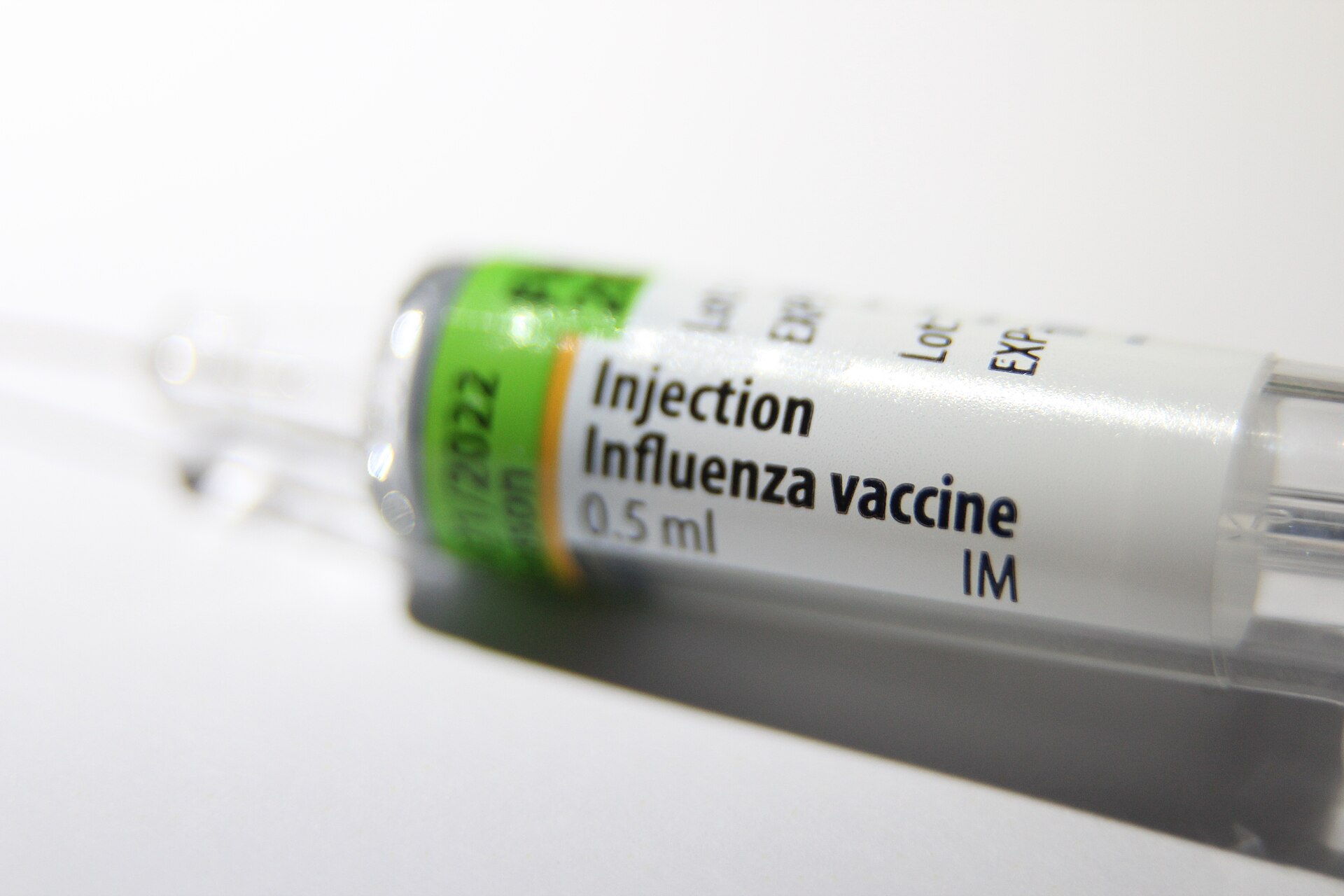
A shot in the kitchen
My mom refused to stand in line for her flu shot. A cooler, a vaccination card filed with the property tax receipts, and the one arm where my hand shakes.
The Two O'Clock Pickup
Andrea called at half past twelve with an office emergency. I'd slept four hours, picked up my niece and nephew from school and lent them my bunker bedroom.