mom · vaccine · november
A shot in the kitchen
My mom refused to stand in line for her flu shot. A cooler, a vaccination card filed with the property tax receipts, and the one arm where my hand shakes.
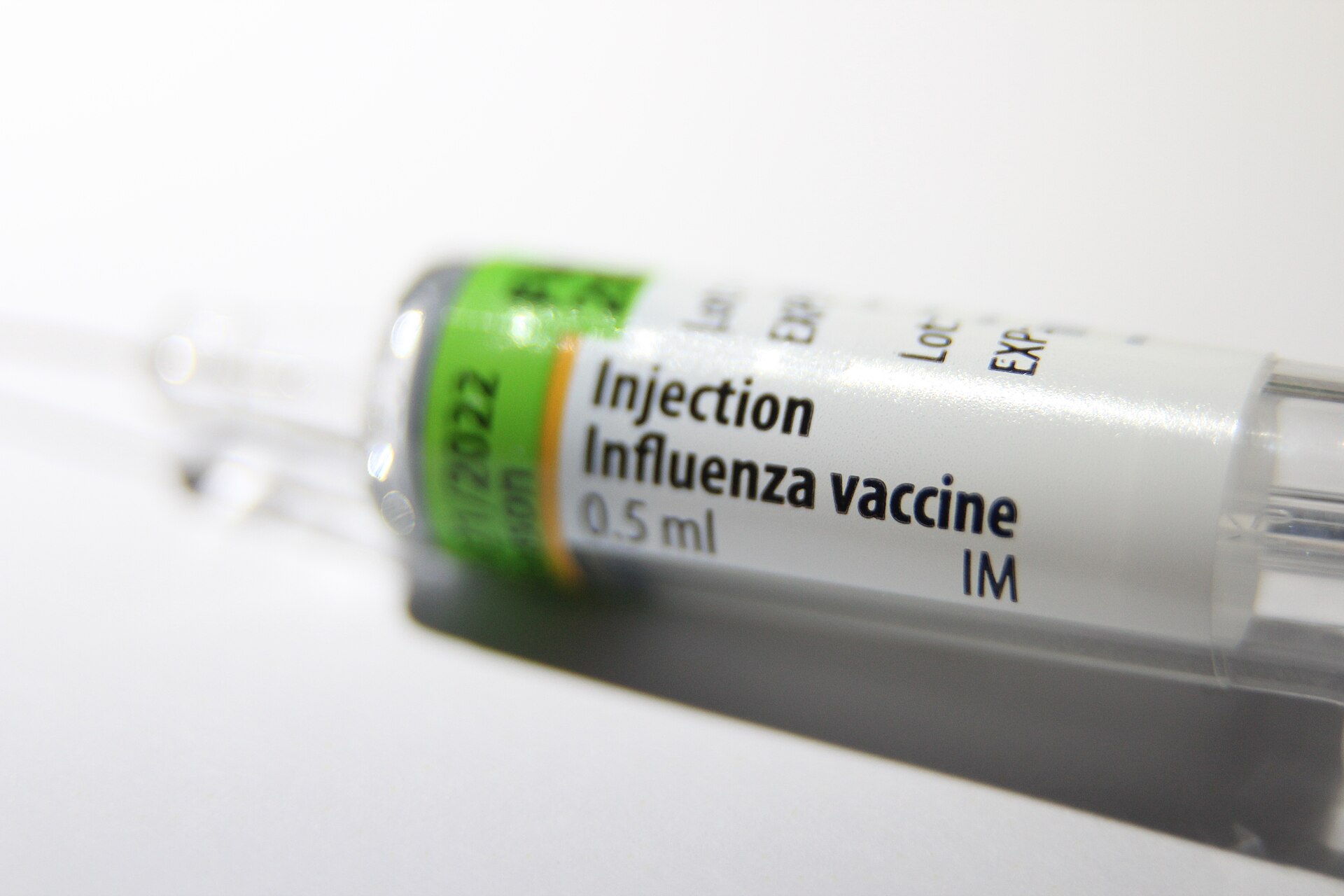
In November, in the ER, we vaccinate each other. The box from the flu campaign arrives, it goes into the medication fridge, the one with a padlock and a thermometer stuck on with tape, and for a week any dead moment will do. On Tuesday at three in the morning, at the nurses' station, Pao rolled up her sleeve without looking up from a chart and said "go on, now while nobody's watching," as if it were something forbidden. I gave it to her. She didn't even turn her head. Then she gave me mine, between one call bell and the next, and left the cotton ball taped on with a piece of tape so big it looked like I'd had surgery.
That's what shots are like at the hospital: a jab standing up, a "done," and on you go. I've been giving them for twelve years, plus the ones in nursing school. I've never counted. If I did, it would be thousands. Not one of them has been hard.
The line
On Wednesday my mom sent the family group a photo taken from a taxi window: the line outside the health center in her neighborhood, wrapping around the corner and carrying on. Underneath, typed one letter at a time: "No way Im standing there in this cold". Then the dog in the hat saying "blessings," which I'm no longer sure she sends out of love or as punctuation.
Andrea replied in eleven seconds. "Have Audrey give it to you." And then, to me, separately: "I mean it. She's 63 and diabetes runs in the family. Don't ask her, just go."
So today I woke up at three thirty, bought the vaccine at the big pharmacy on Constituyentes, the one with the glass-door fridge, and took it to my mom's house in my hospital lunch bag with two gel ice packs, wrapped in a napkin like a tamal. I called her before I left. She said yes, she'd be waiting, in the voice she uses when she says yes and is already regretting it.
The card
I got there at five. The green gate, the cinnamon coffee already poured even though I'd said no, the plastic tablecloth with lemons on it. On the table, next to the sugar bowl, she had a blue plastic folder ready, the snap-button kind. Inside were the property tax receipts going back to 2009, her marriage certificate, the three of us girls' elementary school report cards, a chiles en nogada recipe cut out of a magazine and, all the way at the back, her adult vaccination card, folded, its corners gone soft from so much not being used.
Her knitting needles were on the table too. The ones from her class at the community center, two gray metal needles stuck into a ball of wine-colored yarn, with something half finished that she wouldn't let me see. I told her it was funny that she was so scared of needles and carried two around in her purse everywhere. She said those don't prick. I said they do. She said not on purpose.
I asked her which arm. She said the left, she cooks with the right. She took off her sweater, pushed up the sleeve of her blouse and sat up very straight in the chair, eyes closed before I'd even opened the lunch bag.
My mom's arm
What nobody tells you about this job is that they teach you to look at arms. An arm is a deltoid, an injection site, a vein that cooperates or doesn't. I see hundreds a week and almost never see who they belong to. Today I wiped my mom's arm with an alcohol swab, and I saw it.
It's smaller than I remembered. The skin has gone soft as tissue paper, with two moles side by side like a colon and a round, sunken scar the size of a shirt button: the smallpox vaccine, from when she was in first grade in Celaya and they lined the kids up in the schoolyard by height. She told me with her eyes closed while I uncapped the syringe. That the teacher gave them a milk candy afterward. That she cried before, not after. That ever since.
I put two fingers on her skin to stretch it, the way I always do. And my hand shook. Not much. Enough that I had to take a breath, which I haven't done since my year of community service, vaccinating kids in the elementary schools of Amealco. My mom, eyes closed, didn't notice. Or she did, because she said "done?"
I said no. I breathed. And then yes.
"Done?"
"Done, Ma."
She opened one eye. She looked at the cotton ball, looked at the capped syringe on the table next to the sugar bowl, and said she hadn't felt a thing, that I had very nice hands, that I got that from her. My mom has never given anyone a shot in her life. But she embroiders.
Administered by
I filled in her card with my hospital pen, the blue one I keep clipped to my scrubs. Date, vaccine, lot number. There's a column that says "Administered by." I wrote my full name, both surnames, and my license number, because that's how it's done. My mom leaned over to watch me write and read it out loud, slowly, the way she reads signs on the highway: Audrey Ortega Ramírez.
She didn't say anything else. She folded the card along the same creases, slid it to the very back of the blue folder, behind the property tax, and snapped it shut. Then she put her sweater back on carefully, left arm first, as if she'd had surgery.
I left for the hospital at seven. At the gate she handed me a plastic bag with something soft inside and told me not to open it until I got there. I opened it at the first red light on Constituyentes. It was a wine-colored scarf, a little crooked, wider on one side than the other, with a knot of yarn in the middle where one ball ran out and the next one started. I'm wearing it now. It itches.
Keep reading
The Two O'Clock Pickup
Andrea called at half past twelve with an office emergency. I'd slept four hours, picked up my niece and nephew from school and lent them my bunker bedroom.
The Last Ten Pages
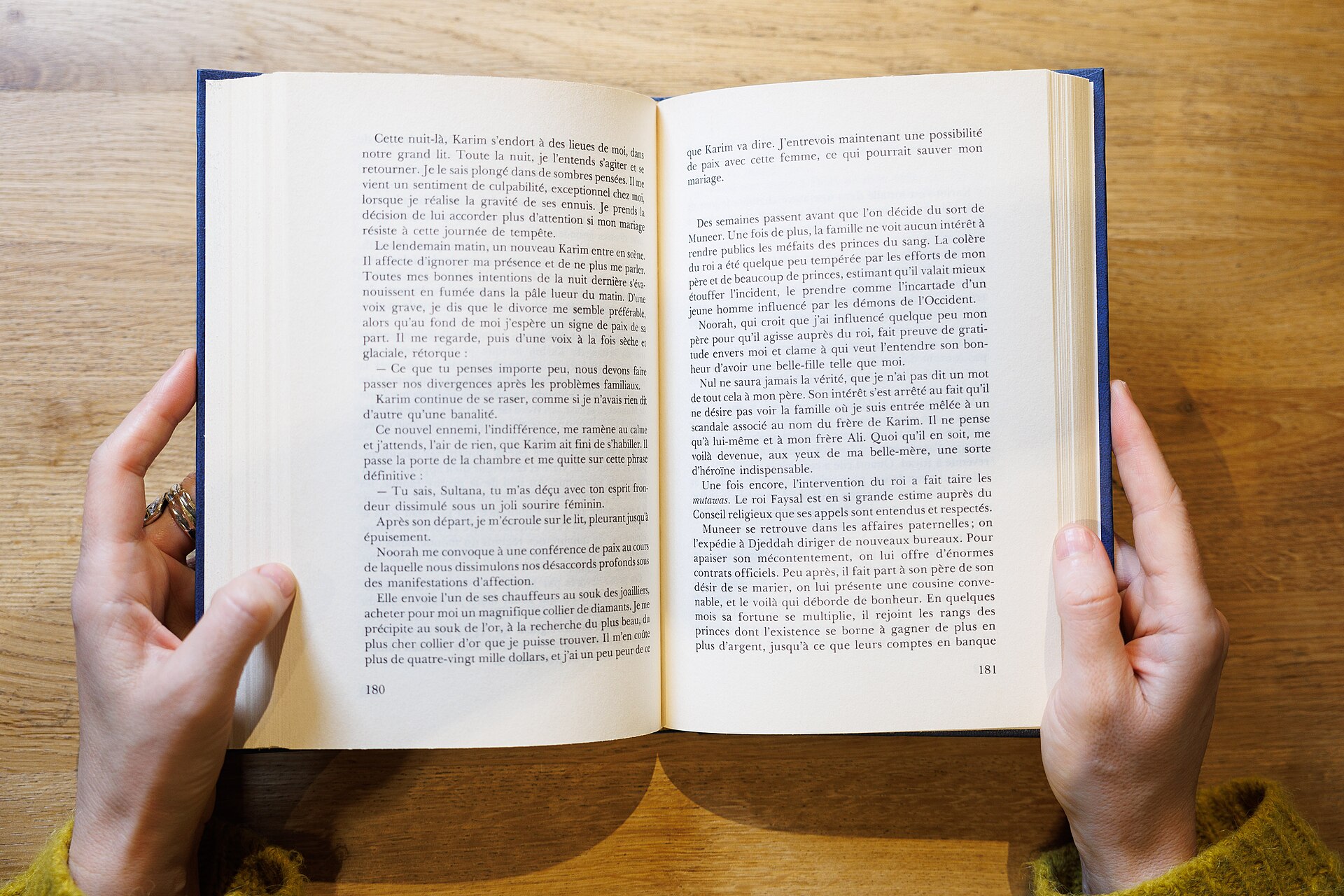
I'd been reading the Rosa Montero novel ten pages at a time since August. Last night I had ten left and couldn't do it. I read them in the Chevy, heater on.
The Old Running Shoes
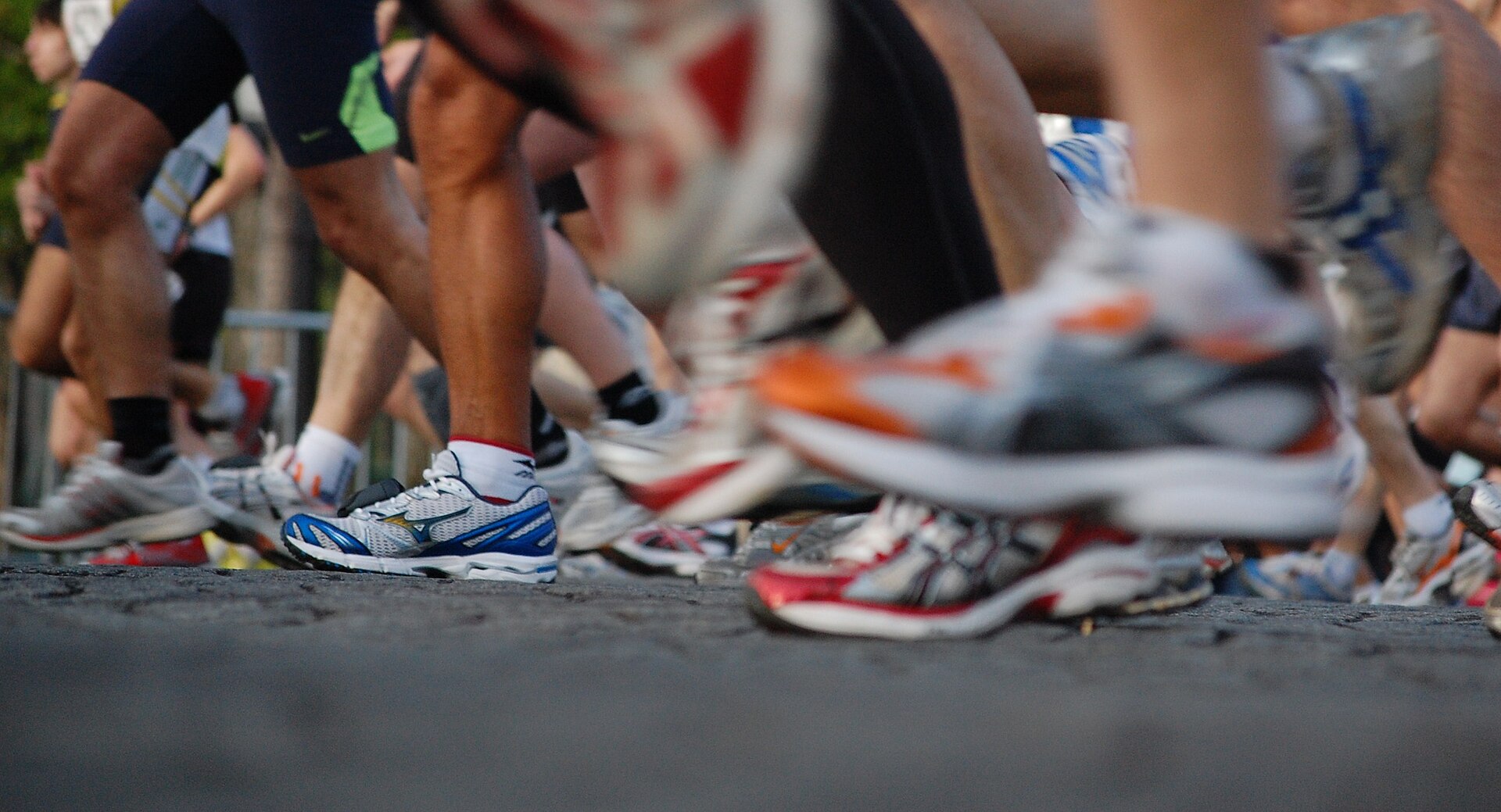
The shoes I ran my half marathon in had soles worn smooth on the outside. A store in Antea with Christmas trees in November, a treadmill, and a pair I couldn't throw away.